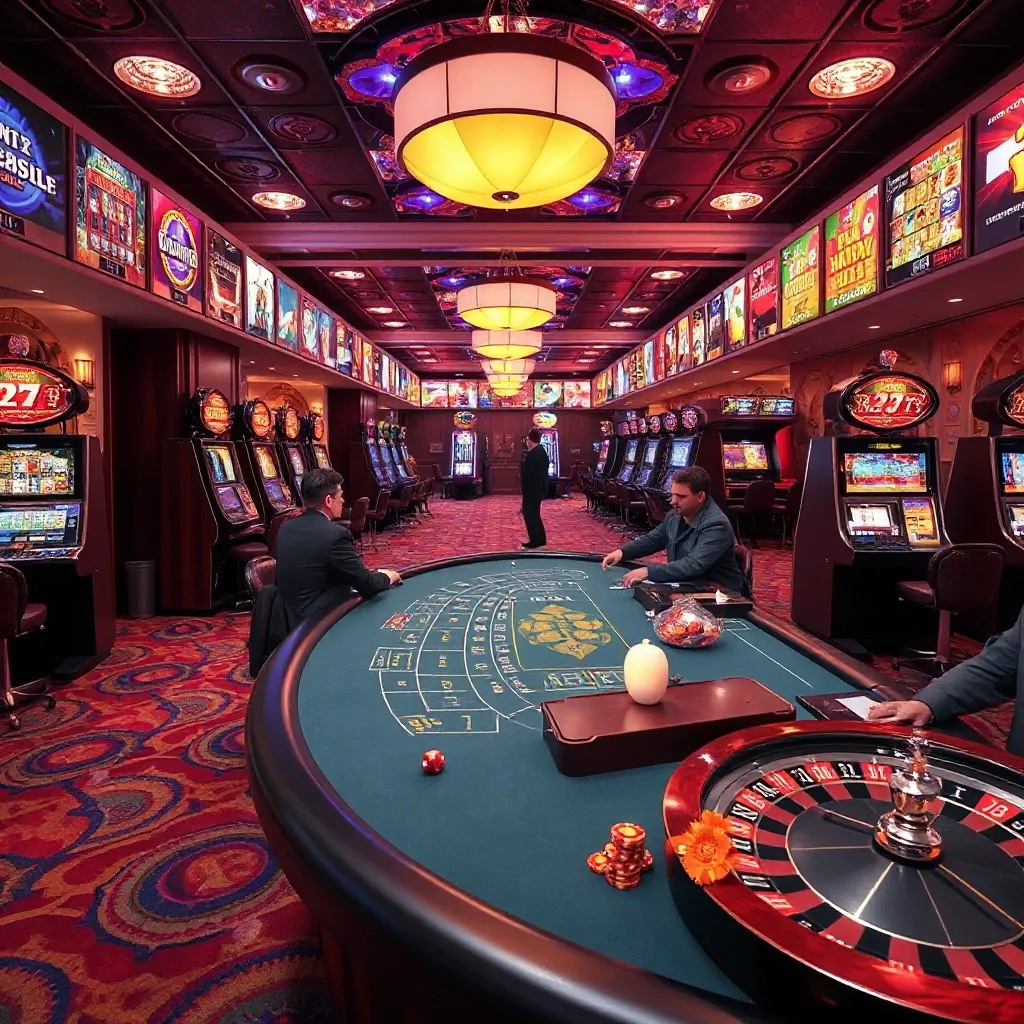
The flashing lights of a slot machine. The hushed tension around a blackjack table. We’ve all been there, haven’t we? Staring at the options, wondering where to place those hard-earned chips. For me, it started with a lucky spin on a classic three-reel slot – cherries aligning, bells ringing, a small cascade of coins. The thrill was undeniable. But then I watched seasoned players strategizing at the poker table, a different kind of excitement evident in their focused eyes.
The world of casino games is a vibrant ecosystem, and the age-old debate between slots and table games continues to ignite passions. But let’s be clear: there’s no universal “best” choice. The real winner depends entirely on YOU. Are you drawn to the instant gratification of slots or the strategic depth of table games? Do you prefer games of chance or those that reward skill? This isn’t about declaring a champion; it’s about equipping you with the knowledge to choose the games that perfectly align with your gambling style, risk tolerance, and ultimately, your quest for entertainment. So, let’s dive in and explore the thrilling landscape of casino games, one spin and one deal at a time!
Understanding Slots: A Detailed Overview
The allure of slots lies in their simplicity combined with the potential for substantial rewards. Slot machines, once purely mechanical marvels, have evolved into sophisticated digital entertainment hubs. From the classic, straightforward designs to the visually stunning and feature-rich video slots, they represent a cornerstone of both land-based and online casinos. The essence of slots remains the same: spin the reels and hope for a winning combination. However, beneath this simplicity lies a world of variations and possibilities.
Types of Slots: Classic, Video, and Progressive
Classic slots, often featuring three reels, evoke a sense of nostalgia with symbols like fruits, bars, and lucky sevens. Their appeal lies in their straightforward gameplay and easily understood paytables. Video slots, on the other hand, break the mold with five or more reels, immersive themes, bonus rounds, and enhanced graphics. Progressive slots offer ever-increasing jackpots that grow with each bet placed across a network of connected machines, offering the chance for life-changing wins. Each type caters to different preferences, allowing players to choose experiences that align with their appetite for simplicity, features, or the pursuit of massive jackpots.
Key Terminology: Reels, Paylines, and RTP
Reels are the vertical spinning columns displaying symbols. Paylines are the lines across the reels that determine winning combinations. For example, matching three ‘7’ symbols on a payline could trigger a payout. RTP, or Return to Player, is a theoretical percentage indicating the average amount a slot machine will return to players over time. For instance, an RTP of 96% suggests that, on average, for every $100 wagered, the slot will pay out $96 in winnings over an extended period. It’s important to remember that RTP is an average, not a guarantee.
Understanding Table Games: A Detailed Overview
Table games are the vibrant heart of any casino, offering a social and engaging alternative to the solitary spinning of slots. Unlike slots, table games place you face-to-face with other players and a dealer, fostering a sense of camaraderie and shared excitement. These games also often involve an element of skill and strategy, providing players with a sense of control over their fate. Knowing the rules and implementing basic strategies can significantly improve your odds and overall enjoyment.
Popular Table Games: Blackjack, Roulette, and Poker
Blackjack, also known as 21, is a classic card game where players aim to beat the dealer by getting a hand value as close to 21 as possible without exceeding it. Its popularity lies in its simple rules and the strategic decisions players can make, such as hitting, standing, or doubling down. Roulette, on the other hand, is a game of chance involving a spinning wheel and a small ball. Players bet on where the ball will land, with various betting options offering different odds. Poker, in its many forms, is a card game that combines skill, strategy, and a bit of luck. Players bet into a central pot based on the strength of their hands, and the best hand wins. Poker’s appeal comes from the challenge of reading opponents and making calculated decisions under pressure.
Other Table Games: Baccarat and Craps
Baccarat is an elegant card game often associated with high rollers. Players bet on whether the “Banker” or the “Player” hand will be closer to a total of nine. While it seems complex, Baccarat involves simple decision-making. Craps is a dice game known for its fast-paced action and lively atmosphere. Players bet on the outcome of a pair of dice, with various betting options offering different potential payouts. While the rules might seem daunting at first, understanding the basic bets can make Craps an exciting and engaging game, though its house edge can vary significantly depending on the wager.
Comparing the Odds: House Edge and RTP
Understanding House Edge
The house edge represents the casino’s advantage in any game. It is the percentage of each bet the casino expects to keep over time. Understanding the house edge is crucial because it provides insight into your potential losses. For example, in table games like blackjack, a lower house edge means a better chance for the player compared to slots, where the house edge can vary significantly.
RTP and What it Measures
RTP, or Return to Player, indicates the percentage of wagered money a game is expected to return to players over time. A higher RTP suggests a greater potential for winning in casino games. Knowing the RTP is especially useful in strategic games because it helps to evaluate the long-term value and compare different options. However, it’s important to remember that neither the house edge nor the RTP ensure winnings; they are merely statistical indicators.

Volatility and Risk Tolerance
In the realm of casino games, understanding volatility is crucial for a fulfilling and potentially profitable experience. Volatility, often referred to as variance, reflects the degree to which payouts fluctuate. Think of it as the rollercoaster of wins and losses you might encounter.
High volatility slots are characterized by the potential for significant payouts, but these wins are infrequent and interspersed with periods of smaller, or even no, wins. These games are a good fit for players who are comfortable with risk and have the bankroll to withstand potential losing streaks while awaiting that elusive big win.
Conversely, low volatility slots offer more frequent, albeit smaller, payouts. These games provide a steadier stream of wins, reducing the risk of substantial losses in a short period. They are ideal for players who prefer a more consistent and less stressful gaming experience. Assessing your own risk tolerance is therefore paramount. Are you the type of player who enjoys chasing jackpots and embracing the thrill of uncertainty, or do you prefer a more predictable and less volatile gaming session? Choosing games that align with your risk tolerance is a key strategy for enhancing your enjoyment and managing your bankroll responsibly.
Skill vs. Chance: Which Matters More to You?
Step into a casino, and you’re immediately faced with a choice: Do you embrace the calculated world of skill-based games, or surrender to the whimsical dance of chance? The flashing lights of slot machines beckon with the promise of instant gratification, a purely luck-driven experience where fate holds all the cards. But venture towards the tables, and a different energy hums in the air.
Here, in games like blackjack and poker, strategy takes center stage. Blackjack strategy involves learning optimal ways to play your hands based on the dealer’s upcard, minimizing the house edge. Poker, arguably, is an even bigger test of skill, with subtle hands and big bluffs that demand a mastery of reading opponents and understanding game theory. The learning curve for these games can be steep, but the rewards for dedicated players are very high.
While luck inevitably plays a role, skilled players can bend the probabilities in their favor. It all boils down to where you want to put your focus. Are you seeking the thrill of a lucky spin, or the satisfaction of outwitting your opponents through skillful play? The choice, ultimately, is yours.
The Social Factor: Are You a Lone Wolf or a Pack Player?
The casino isn’t just about the games; it’s about the atmosphere. For some, the thrill comes from the collective energy surrounding a craps table, the shared groans and cheers, the unspoken camaraderie. The dynamic between players and the dealer, the subtle strategies whispered between allies – these are all integral parts of the experience. Poker, too, thrives on social interaction. Reading opponents, bluffing, and engaging in playful banter are as important as the cards themselves. This is social gambling at its finest; a community forged in the heat of the moment.
Conversely, there’s the solitary allure of the slots. It’s just you and the machine, a private world of spinning reels and flashing lights. Online gambling often amplifies this sense of isolation, offering convenience stripped of social interaction. While some might miss the lively casino atmosphere, others revel in the focused, distraction-free environment. Do you crave the energy of a crowd, or do you prefer the calm solitude of your own game? The answer might just determine which table (or screen) is right for you.
Online vs. Land-Based Casinos: Availability and Ambiance
The world of gambling offers two distinct avenues for entertainment: the digital realm of online casinos and the traditional brick-and-mortar experience of land-based casinos. Each presents a unique atmosphere and caters to different player preferences. Online casinos provide unparalleled convenience, accessible from anywhere with an internet connection. They often boast a significantly wider game selection, featuring hundreds, even thousands, of slot titles, table games, and live dealer options rarely found in a physical casino.
Land-based casinos, on the other hand, offer a sensory-rich environment filled with the clatter of chips, the flashing lights of slot machines, and the palpable excitement of social interaction. The casino atmosphere can be a draw in itself. Furthermore, minimum bets can vary significantly. Online casinos frequently offer lower minimums, allowing players to stretch their bankroll further, whereas land-based casinos may have higher table minimums, catering to a different clientele. Ultimately, the choice between online and land-based depends on what a player values most: accessibility and choice, or ambiance and community.

Bankroll Management: Playing Smart, Staying Longer
Smart bankroll management is the cornerstone of a sustainable and enjoyable gambling experience. Whether you’re drawn to the flashing lights of the slots or the strategic depths of table games, understanding how to manage your money is paramount. It’s not just about winning; it’s about extending your playtime and minimizing potential losses.
The first step is setting a budget. Determine a specific amount of money you’re comfortable losing before you even start playing. Treat this as entertainment expenses, not an investment opportunity. Once you’ve established your budget, rigidly adhere to it. Divide your total bankroll into smaller staking plans to extend your gameplay. For example, if you have a $200 bankroll, consider making $5 or $10 bets instead of risking large amounts at once. With pre-set betting limits, you can withstand losses and reduce the risk of quickly depleting your bankroll.
A critical aspect of bankroll management is avoiding the trap of chasing losses. It happens to many players: You lose a few bets, and then you increase your stakes hoping to quickly recoup your money. Recognize that losses are part of gambling, and increasing bets impulsively often leads to bigger losses. Instead, stick to your staking plan and accept that some sessions will be less successful than others. Develop your gambling strategy and stick to it, no matter if you are winning or losing.
Responsible gambling means understanding the risks involved and making informed decisions. If you feel that gambling is becoming a problem, seek help. Many resources are available to provide support and guidance.
Making the Right Choice: A Personalized Approach
Navigating the world of gambling can feel like walking through a maze, with countless options and strategies vying for your attention. After exploring various facets of informed gambling – from understanding odds to managing your bankroll and recognizing biases – it’s time to synthesize these insights and chart a course toward making the right choice for you.
The “right choice” isn’t about guaranteeing wins; it’s about aligning your gambling activities with your personal circumstances, risk tolerance, and entertainment goals. Consider the data points you’ve gathered: Which games genuinely intrigue you? What level of risk are you comfortable with? How much time and money are you willing to dedicate?
Think about applying the diverse information and recommendations we presented like pieces of advice offered by a mentor or a friend. Evaluate meticulously your current knowledge, your motivations and the objectives you seek by gambling. There is no universal solution but many different combinations to explore.
Becoming a discerning gambler isn’t about overnight transformation; it’s a journey of continuous learning and refinement. Embrace the process, stay curious, and always remember that responsible gambling is the ultimate winning option. This personalized approach transforms gambling from a game of chance into a more strategic and enjoyable pursuit.
Conclusion
In conclusion, the world of casino games offers a diverse and exciting array of options, from the spinning reels of slots to the strategic challenges of table games. Understanding the differences, advantages, and disadvantages of each type of game is crucial for maximizing enjoyment and potential winnings. While slots provide instant gratification and require minimal skill, table games offer intellectual stimulation and the opportunity to influence outcomes through calculated decisions.
Regardless of your preference, responsible gambling should always be the top priority. Setting limits on time and money spent, understanding the odds, and recognizing when to stop are essential for maintaining control and preventing gambling-related problems. Remember, casino games are meant to be a source of entertainment, and it’s important to approach them with a clear and responsible mindset.
Whether you are drawn to the flashing lights and vibrant themes of slots or the sophisticated atmosphere of table games, take the time to explore both options and discover what suits your individual preferences and playing style. The key is to gamble responsibly, have fun, and appreciate the unique experience that each type of casino game has to offer.